
The latest Sunset Hacker News at SunsetHost arrives with a clear and urgent signal: cybersecurity is no longer defined by loud, obvious breaches or headline-grabbing exploits—it is being reshaped by precision, patience, and deception at a level that mirrors the most sophisticated acts of fraud in human history. What is unfolding right now is not just a technical escalation, but a strategic shift in how attackers think, operate, and succeed. This week’s intelligence cycle reveals a security landscape where imitation, identity abuse, and covert infrastructure are becoming the dominant forces driving modern cyber risk.
At the center of this evolution is a concept that stretches far beyond code: the art of deception. The comparison to master art forgers is not theoretical—it is operational. The same psychological manipulation, attention to detail, and ability to replicate authenticity that allowed legendary forgers to deceive experts for decades is now being deployed in digital environments at scale. Attackers are no longer simply breaking systems; they are convincingly impersonating trust itself. The implications are significant. Security is no longer just about detecting anomalies—it is about identifying what appears legitimate but is fundamentally false.
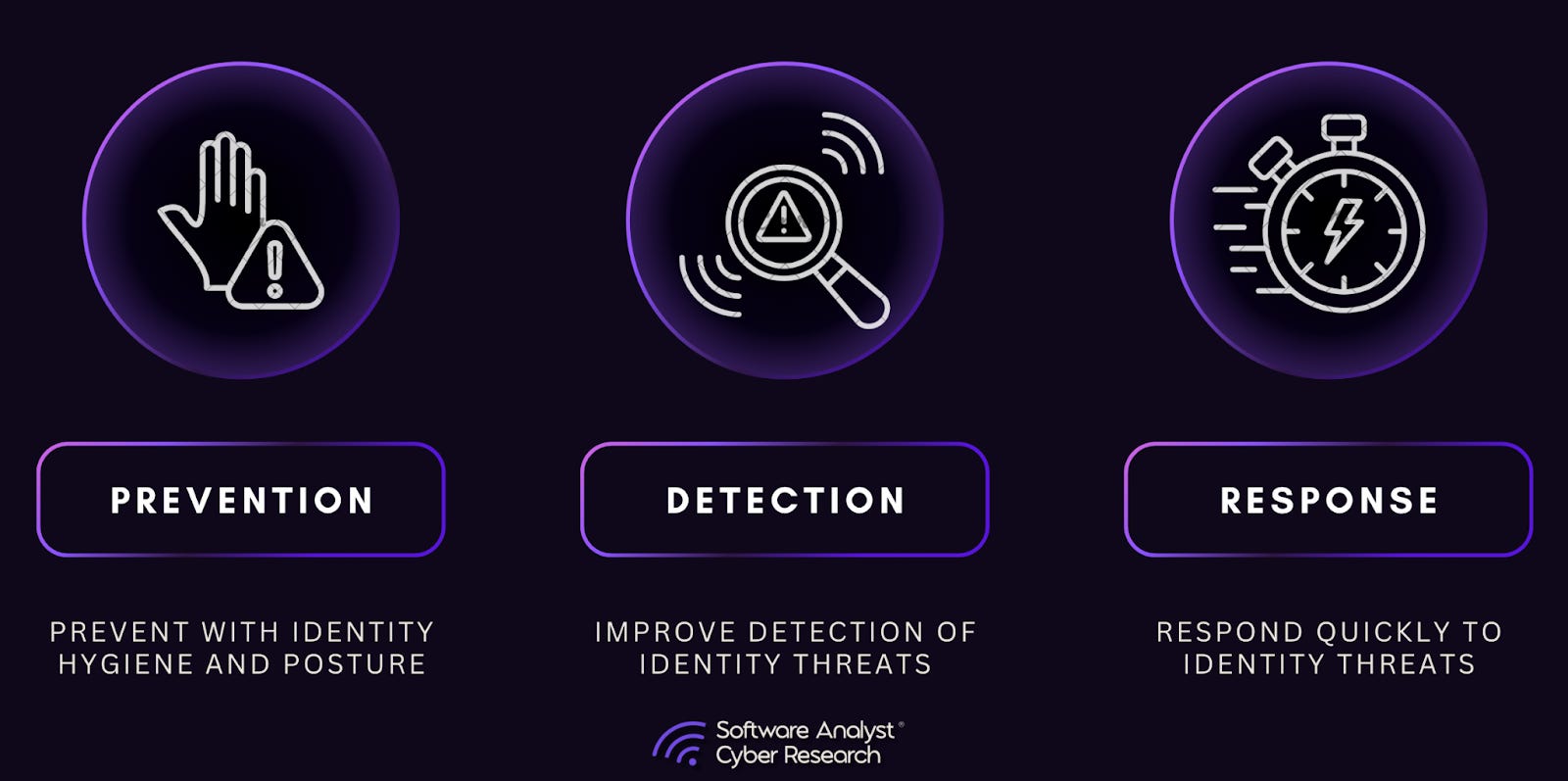
This shift is visible across multiple active threat vectors, particularly in how attackers are exploiting identity systems. The expansion of machine identities, AI-driven agents, and human access points has created an environment where traditional perimeter-based security models are no longer sufficient. The introduction of unified access frameworks—like those emerging around identity-centric platforms—signals a broader industry response to this complexity. By consolidating discovery, authorization, and audit capabilities into a single operational layer, organizations are beginning to address one of the most critical vulnerabilities in modern infrastructure: the inability to fully map and control who or what has access at any given time.
At the same time, the illusion of security remains one of the most dangerous blind spots. Many organizations operate under the assumption that because their dashboards are active and alerts are firing, their defenses are effective. The reality is more nuanced. Without continuous validation against real-world attack scenarios, security programs risk becoming performative rather than protective. This is why the growing emphasis on validation—testing defenses against live attack simulations rather than theoretical models—is becoming a defining trend. It represents a move away from static security postures toward dynamic resilience.
Beneath these structural changes, a more subtle and arguably more dangerous trend is emerging: the normalization of abuse. This week’s threat landscape is not dominated by a single catastrophic breach, but by a steady accumulation of smaller, highly effective tactics that exploit overlooked weaknesses. From phishing kits that are increasingly modular and accessible, to pirated software ecosystems that double as distribution channels for malware, attackers are leveraging convenience and complacency as primary entry points. The result is a threat environment that feels less explosive, but far more pervasive.
One of the most technically significant developments comes from the evolution of mobile exploit frameworks. The newly identified Coruna iOS exploit kit demonstrates how attackers are refining previously successful techniques rather than reinventing them entirely. By adapting elements of earlier campaigns—such as the Operation Triangulation exploit chain—threat actors are accelerating their ability to deploy effective attacks at scale. This reuse of proven code, combined with incremental improvements, reflects a mature offensive ecosystem where efficiency is prioritized over novelty.
Equally concerning is the emergence of advanced data exfiltration techniques that bypass traditional defenses. The discovery of a WebRTC-based skimmer capable of extracting payment data from e-commerce environments represents a fundamental shift in how attackers move data. By leveraging real-time communication channels instead of standard HTTP requests, this method effectively sidesteps content security policies that many organizations rely on as a primary defense layer. It is a clear example of how attackers are exploiting the gaps between technologies—operating in spaces that were not originally designed with security in mind.
Law enforcement activity also plays a critical role in shaping the current landscape, as demonstrated by the arrest of the alleged administrator behind the LeakBase credential marketplace. While this action disrupts a major distribution hub for stolen data, it also highlights the resilience of the cybercrime ecosystem. Markets may be taken down, but the underlying demand and infrastructure often persist, quickly reassembling under new identities and platforms. This cyclical nature of cybercrime reinforces the need for systemic solutions rather than reactive enforcement alone.
Meanwhile, the GlassWorm malware campaign underscores the increasing sophistication of multi-stage attack frameworks. By utilizing blockchain-based “dead drops” on networks like Solana, attackers are introducing new layers of anonymity and resilience into their operations. This approach not only complicates detection but also demonstrates how emerging technologies are being repurposed to support malicious activity. The integration of remote access trojans with comprehensive data theft capabilities further amplifies the potential impact of these campaigns, particularly as they target both traditional browser data and cryptocurrency assets.
Taken together, these developments point to a cybersecurity landscape that is evolving in both complexity and subtlety. The most significant threats are no longer the most visible ones. Instead, they are the ones that blend seamlessly into legitimate activity, exploit trust-based systems, and operate across multiple layers of infrastructure without triggering conventional alerts.
For organizations operating within this environment, the path forward requires a fundamental shift in mindset. Security can no longer be treated as a static layer applied to systems after they are built. It must be integrated into every aspect of infrastructure, from identity management to real-time validation and continuous monitoring. The convergence of human users, machine identities, and AI-driven processes demands a unified approach—one that recognizes the interconnected nature of modern digital ecosystems.
Sunset Hacker News at SunsetHost captures this moment with precision, highlighting not just individual threats, but the broader patterns that define them. This is not a landscape driven by isolated incidents—it is a continuously evolving system where attackers are refining their methods faster than ever before. The organizations that succeed will be those that can adapt at the same pace, embracing visibility, validation, and proactive defense as core operational principles.
What is clear from this latest cycle is that cybersecurity is entering a phase where deception is the primary weapon and trust is the primary target. Understanding that shift is no longer optional—it is essential.